
On May 4, 2015, Heidi Gorovitz Robertson, C|M|LAW’s Steven W. Percy Distinguished Professor of Law, presented Sorting Out Local Governance in Shale Oil and Gas Development, at a full-day workshop at the University Center for Social and Urban Research, co-sponsored b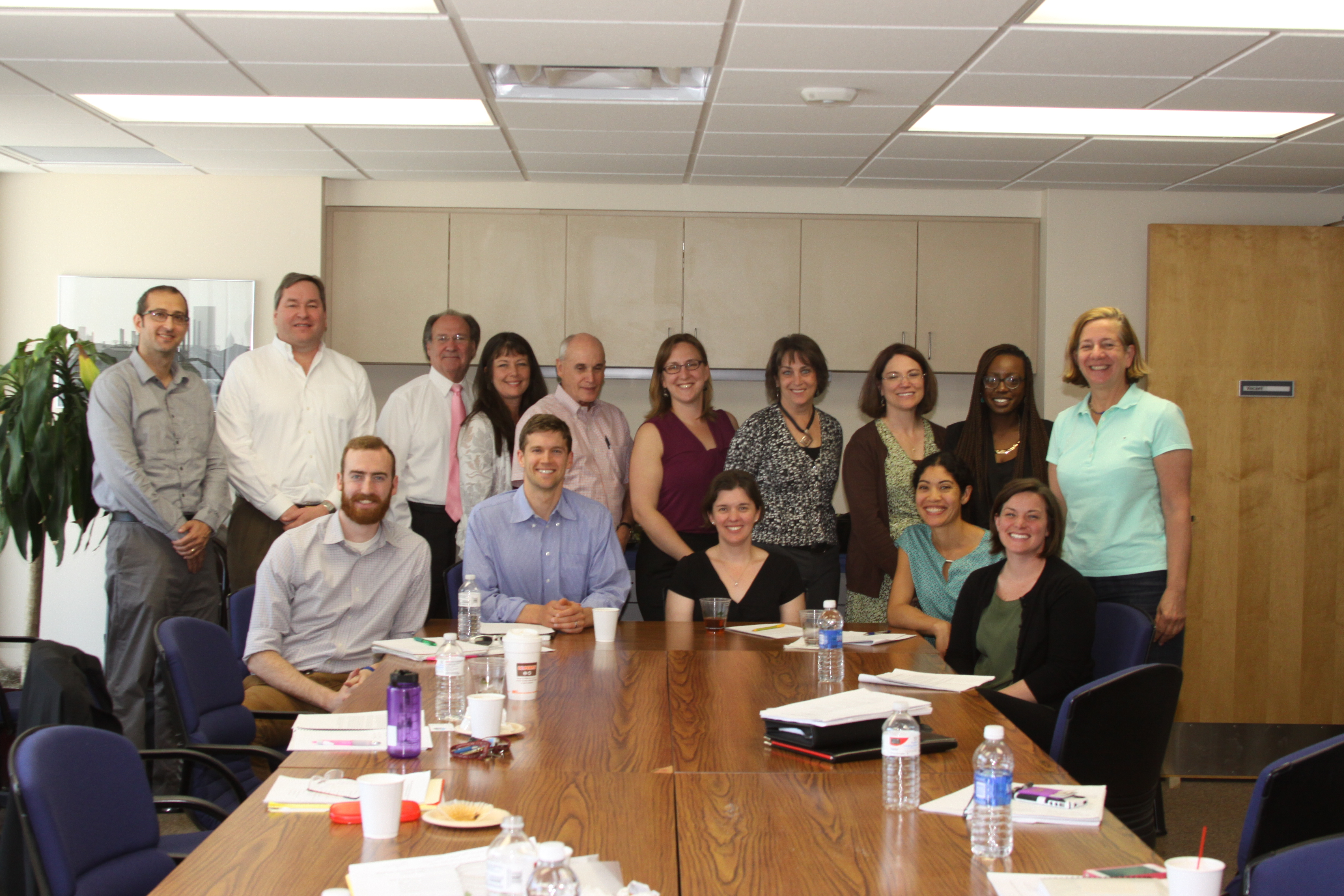 y the University of Pittsburgh’s Graduate School of Public and International Affairs. The workshop, titled Regional Impacts of Shale Gas Drilling – Understanding Economic and Governance Implications on Communities and Regions, drew together researchers from the fields of economic development, economics, urban policy, local government, and law. In particular, the goal of the workshop was to bring together researchers focused on analyzying the economic impacts of shale, how these impacts vary by region, and how governance and geography affect regional variation.
Monthly Archives: May 2015
Professor Browne Lewis Presents at Harvard Law School

Professor Browne Lewis
On May 2, 2015, Leon and Gloria Plevin Professor of Law Browne Lewis presented at the Baby Markets Roundtable held at Harvard Law School. Professor Lewis’ presentation was entitled “Human Oocyte Presentation: Supplying Babies or Selling False Hope”. In 2012, the American Society for Reproductive Medicine ASRM declared that human oocyte cryopreservation (HOC) should no longer be considered to be experimental. Thus, that new reproductive technology provides a viable option for women seeking to preserve their fertility. Women who want to focus on their careers or those who have not yet met “Mr. Right” may choose to have their oocytes frozen, so that they can defer motherhood. Other women are forced to have their oocytes frozen when faced with potential infertility as a consequence of medical treatment or military service. Women, men, and children may benefit from a technology that permits women to pause their biological clocks. If women do not have to worry about potentially becoming infertile, they can postpone motherhood until they are ready to parent. Unplanned pregnancies and infertility also negatively impact men.
The availability of HOC will serve the best interests of children by permitting them to be born to parents who want them and who are able to care for them. Persons opposed to the use of HOC are concerned about the safety of the woman, the oocyte and the resulting child. Based upon the low percentage of live births resulting from the use of cryopreserved oocytes, opponents also argue that it is unethical to give women false hope. Those persons advocate banning the use of HOC or limiting it to use by women who are of child-bearing age. However, bans or strict restraints on the availability of HOC may infringe on a woman’s reproductive freedom and violate her right to be treated the same as a similarly situated man. Professor Lewis’ chapter on this topic will be published in an Oxford University Press book on the topic.
Professor Inniss Awarded a Graduate Faculty Travel Award by CSU Research Council
Professor Lolita Buckner Inniss was awarded a Graduate Faculty Travel Award, by the Cleveland State University Research Council. Pursuant to the terms of the Award, Professor Inniss will attend and present at the Workshop for the Feminist International Judgments Project in London, England in June 2015.
Professor Inniss to Publish Article in the Columbia Journal of Race and Law
Professor Lolita Buckner Inniss will publish Cherokee Freedmen and the Color of Belonging in the Columbia Journal of Race and Law in the upcoming May-June 2015 issue. The article addresses the Cherokee Nation and their historic conflict with the descendants of their former black slaves, designated Cherokee Freedmen. In the article, Professor Inniss discusses the rise of color-based belonging and its relationship to black slavery, Cherokee constitutionalism and the search for Cherokee political legitimacy.
Professor Robertson writes about the potential impact of Ohio House Bill 8 on landowners and local governments
Heidi Gorovitz Robertson, C|M|LAW’s Steven W. Percy Distinguished Professor of Law, has published a post in Crain’s Cleveland Business’ Energy Report regarding Ohio House Bill 8. Robertson writes that the bill, which passed unanimously through the Ohio House and is now in Senate committee, would make it substantially faster and easier for shale oil and gas developers to gain access to public and private land for drilling. Among other things, the bill would speed up the hearing process before the Ohio Oil and Gas Commission and mandate that the chief of the Division of Oil and Gas Resources Management issue an order to include publicly-controlled land in a drilling unit upon request.
Professor Robertson’s post is available here.
 CSU Law Faculty